
Eduniversal Best Masters 2026 in Energy and Natural Resources in Mexico
Rankings updated annually. Next full edition: September 2026.
Discover the Eduniversal Best Masters for Energy and Natural Resources

Mexico
Mexico
Mexico
Mexico
Discover in detail the Master in Energy and Natural Resources in Mexico
Explore the 2026 outlook for Master’s programs in Energy and Natural Resources in Mexico. This guide analyzes the evolving energy landscape, enrollment trends, curriculum innovations, and career outcomes.
National Landscape & Market Evolution
The Master’s specialization in Energy and Natural Resources in Mexico for 2026 is taking shape within a dynamic national energy market.
Mexico experiences regulatory reform, economic deceleration, and a growing demand for sustainability—reflecting broader global energy shifts. The drive for energy sovereignty and sustainable transitions as outlined in the 2026–2030 National Development Plan influences curriculum advancements significantly.
With oil and gas exploration expanding—60% of resources still unawarded—and electricity demand projected to rise 38% by 2038, postgraduate academic interest remains robust.
Graduate education is strengthening its interdisciplinary nature, paralleling other high-demand sectors like Energy and Natural Resources.
International student interest continues to grow slowly as Mexico deepens ties within Latin American energy frameworks.
Key Growth Drivers of the Sector
Several macro-trends are shaping the development of master’s programs in this field:
- Economic policies and regulatory reforms — The 2026 reforms formalize the role of new agencies like the CNE and reinforce PEMEX and CFE’s dominance while reopening limited private participation.
- Transition to renewable energy — Mexico targets 45% renewable electricity generation by 2030, especially as 62% of power currently depends on imported natural gas.
- Technology integration — Emerging AI use cases, smart grids, digital energy infrastructure, and sustainable solutions are shaping both infrastructure and curriculum designs.
- Geopolitics — Mexico’s dependence on U.S. gas imports (expected to grow to 9 Bcf/d by 2028) stresses the urgency of national energy independence.
These themes echo trends found in other sectors such as Sustainable Development and Environmental Management.
Curriculum Innovations and Specialization Areas
Master’s curricula for 2026 anchor around interdisciplinary learning that combines policy, economics, environmental studies, and advanced energy engineering. The most promising sub-specialties include:
- Renewable energy (solar, wind, geothermal)
- Energy storage technologies & smart grids
- Exploration of hydrocarbons with green standards
- Policy, economics, and energy law
- AI and big data analytics in energy planning
Programs increasingly incorporate experiential methods like capstones, internships, and applied projects in partnership with energy stakeholders.
Educational formats evolve through modular micro-credentials and hybrid/online delivery channels, much like those in E-Business and Digital Marketing and related digital-focused master’s programs.
Skills Development and Career Opportunities
Graduates are being trained in a combination of technical and managerial competencies sought by employers in utilities (PEMEX, CFE), energy firms, and government bodies. Important skills include:
- Design and deployment of renewable solutions
- Management of fossil fuel logistics and compliance
- Energy data systems modeling
- Sustainable regulation enforcement
- Project lifecycle management
Graduates also find career paths in consulting, grid operational planning, compliance, and finance for large-scale projects. Similar to roles from Industrial and Operations Management, interdisciplinary agility is key.
New opportunities supported through apprenticeships and employer sponsorships highlight the growing synergy between academia and industry.
Academic Standards, Accreditation and Recognition
Mexico’s higher education system is reinforcing quality assurance through the alignment of graduate-level energy programs with guidelines from the Ministry of Education and energy regulators.
The 2026 reforms centralize program accreditation under the consolidated CNE for a simplified process.
There are growing efforts to improve international recognition, especially within Latin American academic circles. However, bureaucratic hurdles still challenge graduates aiming for global placements—though these are slowly easing.
These frameworks are similar in structure to those seen in programs like Public Administration / Management.
Affordability, Access, and Funding Opportunities
Tuition fees for energy-focused graduate programs range from moderate to high across public and private institutions. Public universities remain the cheapest path, often attracting the majority of enrollments.
Scholarships, state subsidies, and institutional funding—particularly from public enterprises such as PEMEX and CFE—help mitigate barriers to access.
ROI is increasingly linked to Mexico’s growing renewable investment, infrastructure efforts, and foreign energy entrants.
Public-private funding pathways also complement broader financial study areas like Corporate Finance.
Competition and International Dynamics
Mexico’s energy market is still prominently led by PEMEX and CFE. However, international renewables and tech firms (focused on storage, solar, and digital grids) are entering through partnerships, challenging legacy paradigms and influencing what institutions need to teach.
Meanwhile, student mobility trends show slow rises in inbound international learners. Dual-degree frameworks and edtech innovations like stackable learning also gain ground.
Cross-border partnerships could mirror models seen across International Management offerings elsewhere in Latin America.
Barriers to Growth and Ongoing Challenges
Although the ecosystem is promising, persistent risks exist:
- High tuition limits for underprivileged demographics
- Lagging research infrastructure in cutting-edge technologies
- Limited faculty with advanced energy expertise
- Slow technologic integration compared to global pace
- Employer-academic mismatch as labor market rapidly evolves
Addressing these issues requires structural reforms tied to national priorities and updated education-industry pipelines as found in other impactful sectors such as Creativity Management, Innovation and Design Thinking.
Prospects for 2026 and Beyond
Looking ahead into 2028, moderate but steady growth is expected in master’s program enrollment. As governmental projects for national energy sovereignty expand and curriculum innovation continues, student interest will mirror the sector’s momentum.
Future scenarios point toward increasing industry engagement, wider adoption of AI integration, and international collaborations driving Mexican academic competitiveness. Monitoring policy changes such as deeper liberalization and stronger international mobility access will be crucial.
Success will depend on how well institutions implement interdisciplinary designs, practical learning modes, and accessible funding options for the next wave of energy professionals.
Latest news

Discover which business schools let you study in 3 different countries within a single degree. Compare ESCP, Skema, EM Normandie, and EDHEC on campus access, costs, and degree recognition.
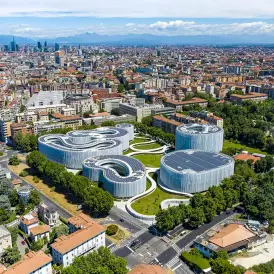
Explore Bocconi's visionary 2026–2030 Strategic Plan, aimed at bolstering executive leadership, management training, and global expansion.

HEC Paris unveils “Dare the Impossible,” a new brand signature highlighting innovation, leadership, and its vision for education in a rapidly changing world.
