
Eduniversal Best Masters Ranking 2026 in Luxury Management TOP 40 Worldwide
Rankings updated annually. Next full edition: September 2026.
Discover Eduniversal Best Masters Ranking in Luxury Management

U.S.A.
U.S.A.
Italy
France
France
Australia
Italy
Italy
U.S.A.
France
Hong Kong (S.A.R.,China)
Russia
United Kingdom
France
France
United Kingdom
France
Lebanon
Sweden
United Kingdom
Italy
France
Spain
Master’s in Luxury Management: Specialization, Application and Career Opportunities.
Luxury management is one of the most competitive and internationally diverse fields in postgraduate education. From haute couture houses in Paris to multi-brand conglomerates in Hong Kong, the sector demands professionals who combine business acumen with a deep understanding of brand heritage, client experience, and cultural sensitivity.
The Eduniversal Best Masters ranking brings together the top MSc, MS and MBA programs in Luxury Management from across the world, evaluated annually through three independently verified criteria: reputation, first employment salary and student satisfaction. Whether you are exploring your first graduate degree or considering a career pivot into the luxury sector, this ranking offers a structured, market-grounded starting point for your research.
The programs listed here span a wide range of formats, specializations, and geographic hubs, from full-time MSc programs in Paris and Milan to executive formats designed for working professionals. Use the ranking as a comparative lens, then dive deeper into the criteria that matter most for your own goals: specialization, location, language of instruction, tuition, and alumni network.
What Is the Eduniversal Ranking for Luxury Management?
The Eduniversal Best Masters ranking is built on a methodology that sets it apart from media-driven or self-reported rankings: three independently verified market criteria evaluated each year across 154 countries. This model ensures that the ranking reflects professional recognition and measurable outcomes rather than marketing spend or application volume.
The luxury management category is evaluated alongside 50+ other specializations, with results updated annually to reflect shifts in program quality, international reputation, and graduate outcomes.
How Schools Are Evaluated
Evaluation is based on three programme-level criteria. Reputation (5 points) combines recruiters' opinions (50%) with the level of Palme d'Excellence attributed to each school by Eduniversal (50%). First employment salary (5 points) is reported by each program and verified by Eduniversal, weighted by national and executive salary averages. Student satisfaction (5 points) comes from an 11-question survey completed by at least 10% of the graduating cohort. The total score out of 15 translates into a star rating: 1 to 5.99 = 1 star, 6 to 8.99 = 2 stars, 9 to 11.99 = 3 stars, 12 to 15 = 4 stars. The ranking covers 154 countries and 5,984 programs, capturing both established European institutions and emerging programs in Asia and North America.
The annual update cycle means the ranking reflects the current state of programs, not historical prestige accumulated over decades. Schools that invest in curriculum innovation and international partnerships tend to score well over time.
Why Use a Ranking to Choose a Luxury Management Master's?
The global offer of luxury management programs has expanded significantly over the past decade. Sorting through dozens of programs across multiple continents, each with different formats, specializations, and entry requirements, is a genuine challenge for prospective students.
A ranking like Eduniversal's offers a practical first filter. It narrows the field to programs that have earned genuine recognition from academic peers, giving you a shortlist grounded in something more robust than promotional material. That said, a ranking is a starting point, not a final decision. The right program for you depends on factors no ranking can capture alone: your career goals, your preferred learning environment, your budget, and where you want to build your professional network.
What to Expect from a Master in Luxury Management
A Master in Luxury Management is a specialized postgraduate degree designed to prepare students for leadership roles in the premium and luxury goods and services industry. Programs typically span 12 to 18 months in a full-time format, though executive and part-time tracks are increasingly available for professionals already working in the sector.
The thematic scope is broad. Luxury management programs cover sectors including fashion, jewelry, watches, automotive, wine and spirits, cosmetics, hospitality, and real estate, as well as the growing intersection of luxury with digital experience and sustainability. Students gain both a conceptual framework for understanding the luxury positioning and the operational tools to execute it.
Key delivery hubs for luxury management education include Paris, Milan, London, Monaco, Geneva, New York, and Shanghai, reflecting the geographic concentration of the industry itself.
Core Curriculum Areas
While curricula vary across institutions, the following areas appear consistently across top-ranked programs:
- Brand strategy and heritage management: understanding how luxury brands build and protect long-term value through narrative, scarcity, and exclusivity
- Luxury marketing and client experience: omnichannel retail, clienteling, CRM in a high-touch context
- Innovation and digital transformation: the role of artificial intelligence in personalisation, digital storytelling, and virtual retail
- Sustainability and circular economy: increasingly central to luxury strategy, with growing pressure from regulators and consumers alike
- Internationalisation: understanding how luxury brands adapt (or deliberately do not adapt) to local market cultures
Many programs also include consulting projects with luxury maisons, field trips to production sites or flagship stores, and structured internship placements.
Formats and Locations
Full-time MSc and MS programs remain the dominant format for students entering the sector without prior luxury experience. These programs are concentrated in Western Europe, particularly in France and Italy, where the density of luxury industry players creates direct access to internships, guest lecturers, and alumni networks.
Executive and part-time formats cater to professionals already working in adjacent sectors (fashion retail, hospitality, marketing) who want to formalize their expertise or pivot into a more senior luxury-specific role. These programs are more frequently found in London, Geneva, and New York, reflecting the concentration of luxury management and consulting functions in those cities.
Career Paths After a Luxury Management Master's
Graduates of luxury management programs move into roles that sit at the intersection of brand management, client experience, digital strategy, and communications. The sector rewards a specific profile: culturally literate, commercially sharp, and capable of translating brand values into operational decisions.
Employers range from the largest luxury conglomerates, including groups like LVMH, Kering, Richemont, Chanel, and Hermès, to independent maisons, luxury hospitality groups, high-end retail, and management consulting firms specializing in premium consumer goods.
Key Roles in the Luxury Sector
The roles most frequently targeted by luxury management graduates include:
- Brand Manager: overseeing brand consistency, campaign strategy, and product positioning across markets
- Retail and Client Experience Manager: managing flagship stores, clienteling programs, and in-store service standards
- Digital Marketing Director: leading digital storytelling, e-commerce, and social media presence for luxury labels
- PR and Communications Manager: handling media relations, event strategy, and brand narrative in partnership with editorial teams
- Merchandising Manager: planning product assortments, inventory allocation, and visual merchandising across retail networks
- CRM and Client Development Specialist: building and managing VIP client relationships and loyalty programs
- Sustainability and CSR Manager: an emerging role driven by regulatory pressure and changing consumer expectations in the luxury space
Alumni of top-ranked programs in this field have gone on to hold senior positions at some of the most recognized names in the industry, including major fashion and accessories houses, multi-brand luxury groups, and premium hospitality companies.
Salary Outlook
Compensation in luxury management varies significantly based on geographic market, function, level of seniority, and the prestige tier of the employer. Entry-level brand and retail roles in Western Europe typically offer competitive graduate salaries, with upward progression tied to performance and international mobility.
Senior and director-level positions, particularly in digital luxury, brand strategy, and client development, command compensation packages that reflect the scarcity of truly experienced luxury professionals. Markets in Asia-Pacific, especially mainland China and Japan, have seen growing demand for luxury management talent, which has translated into competitive packages for candidates with both sector knowledge and language skills.
It is worth noting that luxury groups tend to offer benefits beyond base salary, including product allowances, travel, and exposure to international markets, which are part of the overall compensation picture for roles at this level.
How to Use This Ranking to Choose Your Program
The Eduniversal ranking identifies the best schools luxury management globally, but choosing the right program for you requires a second layer of analysis. Here are the key dimensions worth examining beyond rank position.
Specialization depth: some programs position themselves as broad luxury management degrees, covering all sectors from fashion to hospitality to automotive. Others are tightly focused on a single vertical. If your career goal is specifically in fashion or in hospitality, a specialized program may offer more relevant curriculum content, stronger industry connections, and a more targeted alumni network. You can explore related Eduniversal rankings, including programs focused on fashion management and hospitality management, to compare the depth of specialization available.
Language and location: the language of instruction matters both for your learning experience and for where you build your professional network. Programs taught in French in Paris will give you direct access to the French luxury ecosystem. Programs in English in London or New York will connect you to a more international cohort and employer base.
Tuition and return on investment: program costs vary enormously, from state-subsidized options in Europe to premium private school fees exceeding 30,000 EUR per year. Consider not just the sticker price but the average salary trajectory of alumni in the three to five years post-graduation.
Alumni network quality: in luxury management, who you know is as important as what you know. Look at where alumni from each program are working five years after graduation, not just immediately after.
Specialisation vs Generalist Programmes
A generalist MSc in Luxury Management gives you a broad foundation across sectors and functions, which is valuable if you are not yet certain which part of the luxury industry interests you most. A specialized program, such as an MSc focused specifically on fashion or on luxury hospitality, offers deeper sector immersion and tends to be preferred by employers with very specific profiles to fill.
For students who are drawn to the intersection of arts, culture, and luxury, programs in cultural management offer an adjacent skillset that is increasingly relevant to luxury houses investing in cultural programming and museum partnerships.
Regional Strengths
Certain regions have established clear leadership in luxury management education:
- France: home to some of the most internationally recognized programs, with schools like ESSEC, NEOMA, and ESCP offering strong links to the Paris luxury ecosystem and consistent academic recognition in Eduniversal rankings
- Italy: SDA Bocconi and Politecnico di Milano (POLIMI) represent the Italian fashion and design tradition in postgraduate education, with strong ties to Milan's luxury and fashion industry
- Monaco: institutions like the International University of Monaco (IUM) offer a highly specialized environment in a market where luxury is the dominant economic activity
- United Kingdom: London Business School and other UK institutions offer luxury management content within broader general management programs, attracting internationally mobile students
- United States: schools such as NYU Stern and Columbia attract students looking to combine luxury expertise with access to the North American market and strong finance and brand strategy curricula
FAQ: Frequently Asked Questions About Luxury Management Master's
Which universities offer the best Master's in Luxury Management?
The Eduniversal ranking identifies top programs annually based on reputation, first employment salary and student satisfaction data, covering 5,984 programs across 154 countries. Among the regions consistently recognized for their luxury management programs are France (including institutions such as ESSEC, NEOMA, and ESCP), Italy (SDA Bocconi, POLIMI), Monaco (IUM), and the United Kingdom (London Business School). Rather than citing fixed ranks, the ranking is updated each year, so the best approach is to consult the current edition directly to see how schools compare in the most recent cycle.
Is a Master's in Luxury Management worth it?
For candidates targeting careers in fashion, jewelry, hospitality, or premium consumer goods, a specialized luxury management degree offers genuine advantages: structured access to industry networks, relevant internship placements, and a curriculum tailored to the specific logic of luxury brand management. The global luxury sector continues to expand, driven by growing demand in Asia-Pacific markets and the increasing complexity of managing luxury brands in a digital-first environment. A master's from a recognized program positions graduates for roles at major luxury groups that are difficult to access without sector-specific credentials.
What is the difference between a Master's and an MBA in Luxury Management?
An MSc or MS in Luxury Management is a specialized degree typically designed for candidates with limited or no prior work experience. It offers in-depth sector immersion over 12 to 18 months and is generally the preferred route for recent graduates entering the luxury industry for the first time. An MBA with a luxury management track, by contrast, is a generalist management degree aimed at professionals with several years of experience. The luxury component is one module or concentration within a broader curriculum covering finance, operations, and strategy. MBAs tend to attract mid-career professionals looking to move into more senior or cross-functional roles, while MSc programs are better suited to those building sector expertise from the ground up.
What careers can you pursue with a Luxury Management Master's?
Graduates move into a range of roles across the luxury value chain. The most common career paths include Brand Manager, Retail and Client Experience Manager, Digital Marketing Director, PR and Communications Manager, Merchandising Manager, and CRM and Client Development Specialist. Employers include large luxury conglomerates such as LVMH, Kering, Richemont, Chanel, and Hermès, as well as independent luxury brands, premium hospitality groups, and management consulting firms advising consumer goods companies.
What is the highest salary in luxury brand management?
Compensation in luxury brand management varies considerably depending on geographic market, functional area, seniority, and the tier of the employer. Entry-level roles in Western Europe offer competitive graduate packages, with significant upward progression as professionals move into senior brand management, digital strategy, or client development positions. Director-level and C-suite roles at major luxury groups command packages that reflect both the scarcity of experienced talent and the global scope of the responsibilities. Markets in Asia, particularly China, Japan, and South Korea, have seen strong demand for luxury management professionals, which has pushed compensation upward for candidates with relevant language skills and sector experience.
Is luxury brand management in demand?
Demand for luxury management professionals has remained strong, supported by several structural trends. The digitalization of the luxury customer journey has created new roles at the intersection of technology and brand experience. The expansion of luxury consumption in Asia-Pacific markets has increased demand for professionals who can navigate both local market dynamics and global brand standards. At the same time, growing pressure on the sector to address sustainability and circular economy challenges has created demand for professionals with expertise in responsible luxury. These converging trends have made the profile of a well-trained luxury management graduate increasingly attractive to a broad range of employers.
How is the Eduniversal Luxury Management ranking built?
The Eduniversal ranking evaluates each program on three independently verified criteria: reputation on the job market (combining recruiters' opinions at 50% and the school's Palme d'Excellence level at 50%), first employment salary (reported by each program and verified by Eduniversal against national and executive salary averages), and student satisfaction (from an 11-question survey requiring responses from at least 10% of graduating students). This model distinguishes the Eduniversal ranking from rankings based solely on student surveys, employer surveys, or self-reported data. The luxury management ranking is updated annually, which means it reflects the current standing and professional outcomes of programs rather than historical legacy alone.
Latest news
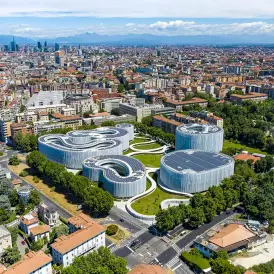
Explore Bocconi's visionary 2026–2030 Strategic Plan, aimed at bolstering executive leadership, management training, and global expansion.

HEC Paris unveils “Dare the Impossible,” a new brand signature highlighting innovation, leadership, and its vision for education in a rapidly changing world.

KEDGE Bachelor evolves in 2026 with flexible formats, new specializations and hybrid skills to meet student expectations and job market demands.
