
Eduniversal Best Masters Ranking 2026 in Art Market TOP 20 Worldwide
Rankings updated annually. Next full edition: March 2027.
Master in Art Market: Lead the Business of Art in a Global Digital Age. This specialized master’s prepares future leaders for careers in galleries, auctions, art finance, and cultural ventures. Combining art expertise with finance, law, and digital innovation, it equips graduates to navigate the evolving global art economy with strong skills in valuation, curation, and market strategy.
Discover Eduniversal Best Masters Ranking in Art Market

U.S.A.
Russia
United Kingdom
Italy
Canada
Russia
United Kingdom
France
Switzerland
France
Lithuania
Portugal
United Kingdom
France
France
Spain
Master’s in Art Market: Specialization, Application and Career Opportunities.
A Master in Art Market is a postgraduate degree that prepares graduates to lead the business of art, combining valuation, art law, finance, and digital strategy for careers in galleries, auction houses, private banking, art advisory, and cultural investment. The 2026 Eduniversal Best Masters ranking evaluates programs across 9 regions and 137 countries on three criteria: reputation on the job market, first employment salary, and student satisfaction. Programs are ranked using the Eduniversal Best Masters Ranking methodology, which scores each one on three criteria - reputation on the job market, first employment salary, and student satisfaction.
The art market sits at the intersection of culture, finance, and commerce. Its professionals navigate auction floors, manage private collections worth millions, advise high-net-worth clients on art as an asset class, and increasingly lead digital transformation across gallery networks and online sales platforms. This breadth makes the master's program selection both rich and genuinely complex.
The Eduniversal Best Masters ranking brings together the top MSc, MS and MBA programs in Art Market from across the world, evaluated annually through three independently verified criteria. Whether you are exploring a first graduate degree or pivoting from a career in finance, law, or the cultural sector, this ranking offers a structured, market-grounded starting point. Use it as a comparative lens, then examine the factors that matter most for your own goals: specialization depth, location, language of instruction, and alumni networks in the cities and institutions where you want to build your career.
What Is the Eduniversal Ranking for Art Market?
The Eduniversal Best Masters ranking evaluates Art Market programs on three annually updated criteria across 9 regions and 137 countries, making it the most geographically comprehensive ranking tool available for this specialization. The 12th edition of the Eduniversal Best Masters and MBAs Ranking, published in 2026, covers nearly 6,000 programs across more than 50 specializations worldwide.
The Art Market specialization sits within a broader ranking architecture designed to reflect professional recognition and measurable graduate outcomes rather than institutional reputation alone. Programs are assessed through the same methodology applied to every other specialization in the ranking, from luxury management to maritime management, ensuring cross-field comparability.
How Schools Are Evaluated
Every program in the Eduniversal Best Masters Ranking is assessed through a single, consistent methodology built on three criteria, each worth 5 points for a maximum final score of 15.
- Reputation on the job market (5 points) - Half of this score reflects the opinions of recruiters, and half reflects the level of the school's Palme d'Excellence.
- First employment salary (5 points) - Reported by each program and verified by Eduniversal, weighted by country and by the average annual salary of executives, with three scales applied according to the type of program (full-time MBA, Executive MBA, and all other programs).
- Student satisfaction (5 points) - Measured through an 11-question survey sent to graduating students, scored only when at least 10% of a program's graduating cohort responds.
The combined score places each program on a four-star scale: 1 star (1-5.99), 2 stars (6-8.99), 3 stars (9-11.99), and 4 stars (12-15). This is the Eduniversal Best Masters Ranking methodology applied identically to every program worldwide.
Why Use a Ranking to Choose an Art Market Master's?
The global offer of Art Market programs has expanded considerably over the past decade. Sorting through programs in Paris, London, New York, Hong Kong, and Rome, each with different formats, entry requirements, and sector connections, presents a real challenge for prospective students.
A ranking like Eduniversal's offers a practical first filter: it identifies programs that have earned genuine recognition from recruiters and demonstrated measurable graduate outcomes. That said, a ranking is a starting point, not a final decision. The right program depends on factors no ranking can capture alone, including your career goals, your preferred working geography, your budget, and where you want to build your professional network.
What to Expect from a Master in Art Market
A Master in Art Market is a specialized postgraduate degree designed to prepare students for professional roles in the commercial and institutional dimensions of the art world. It is an inherently interdisciplinary field, drawing on art history, economics, law, finance, and increasingly digital strategy. Programs typically run 12 to 18 months in a full-time format, with executive and part-time tracks available at select institutions for professionals already working in galleries, auction houses, or cultural foundations.
The thematic scope is broad. Programs range from those tightly focused on the commercial market (auction houses, gallery management, art finance) to those covering a wider landscape that includes public institutions, cultural investment, and art's growing intersection with technology. Geographic hubs for art market education reflect the geography of the art world itself: Paris and London remain the dominant centers in Western Europe, with New York as the leading hub in North America and Hong Kong as the primary gateway to the Asia-Pacific market.
Core Curriculum Areas
While curricula vary across institutions, the following areas appear consistently across well-regarded programs:
- Art valuation and appraisal: methods for assessing the monetary and cultural value of artworks, including authentication, condition assessment, and market comparables
- Art law and provenance: copyright, export controls, restitution claims, due diligence, and the legal frameworks governing cross-border art transactions
- Financial management applied to art: art as an alternative asset class, portfolio management, art finance, and investment strategies for collectors and institutional buyers
- Gallery and auction house operations: the mechanics of primary and secondary market transactions, consignment structures, reserve pricing, and buyer relationships
- Digital tools and emerging platforms: e-commerce, online auction platforms, blockchain-based authentication, and the integration of AI-driven appraisal tools
- Cultural project management: exhibitions, collections strategy, institutional partnerships, and the management of public and private cultural organizations
- Marketing and client relations for collectors: client development, advisory services, and relationship management for high-net-worth individual and institutional clients
- Entrepreneurship in the creative economy: launching and operating independent ventures in art advisory, digital art platforms, and consulting
Formats and Locations
Full-time MSc and MA programs remain the dominant format, particularly for students entering the sector without prior industry experience. These programs are concentrated in Western Europe, where the density of auction houses, gallery networks, and art fair ecosystems creates direct access to internships, guest professionals, and alumni already placed across the sector.
Executive and part-time formats are available for professionals with existing experience in adjacent fields such as finance, law, or the cultural sector who want to transition into art market roles. These formats appear more frequently in London and New York, reflecting the concentration of advisory and investment functions in those markets. Some programs also offer hybrid models that combine on-campus seminars in major art market cities with online coursework, broadening access for internationally mobile students.
Career Paths After an Art Market Master's
Graduates of Art Market programs enter roles that sit at the intersection of cultural knowledge, commercial skill, and increasingly, digital fluency. The sector rewards a specific profile: someone who can move with confidence between the language of connoisseurship and the discipline of business, whether they are advising a private collector, negotiating a consignment deal with an auction house, or managing a gallery's online sales strategy.
Employers range from the major auction houses and global gallery networks to private banking divisions with dedicated art advisory units, cultural foundations, and a growing ecosystem of digital art platforms and advisory boutiques.
Key Roles in the Art Market Sector
The roles most frequently targeted by Art Market graduates include:
- Gallery Manager or Director: overseeing program strategy, artist relationships, sales operations, and client development for commercial galleries
- Auction Specialist: managing consignments, conducting valuations, building client relationships, and supporting sales at major and regional auction houses such as Christie's, Sotheby's, Bonhams, and Phillips
- Art Advisor: providing independent counsel to private collectors and institutional buyers on acquisitions, disposals, collection strategy, and market positioning
- Art Finance Specialist: working within private banks or dedicated art finance firms to structure lending, fractional ownership arrangements, and investment vehicles around art assets
- Art Law Associate: advising on provenance disputes, export licenses, copyright, restitution, and cross-border transaction compliance within law firms or in-house legal teams
- Museum and Foundation Curator: developing and managing exhibitions, collections, and public programs for public and private cultural institutions
- Cultural Journalist or Critic: contributing editorial analysis, market commentary, and critical writing for specialist art media and general press
- Entrepreneur in the creative economy: building ventures in entrepreneurship in the creative economy, digital art platforms, or independent art advisory, an area where masters graduates increasingly find an opening
Salary Outlook
Compensation in the art market varies considerably based on sector, geography, seniority, and employer type. Commercial roles in major auction houses and private banking art advisory units tend to offer competitive packages that reflect the high-value transactions involved. Gallery roles can vary widely, with boutique galleries often offering lower entry salaries offset by direct exposure to significant artists and collectors.
Senior and director-level positions, particularly in art advisory, art finance, and institutional leadership, command packages that reflect the rarity of professionals who combine sector expertise with financial and legal fluency. Markets in Asia-Pacific, especially Hong Kong and Singapore, have seen growing demand for art market professionals as the regional collector base has expanded, creating competitive opportunities for candidates with both sector knowledge and regional language skills.
How to Use This Ranking to Choose Your Program
The Eduniversal ranking identifies the best Art Market programs globally, but choosing the right program requires a second layer of analysis beyond rank position alone.
Specialization depth vs breadth: some programs are tightly focused on the commercial art market, with deep curriculum coverage of auction mechanics, art finance, and private sales. Others sit closer to arts management and cover a wider institutional and policy landscape. Your career target should drive this choice. If you are aiming for a role in a major auction house or a private bank's art division, a program with strong commercial market focus and direct industry connections will serve you better than a generalist arts management degree.
Location and network access: in the art market, professional networks are built locally before they extend globally. Paris and London offer the most concentrated ecosystems for art market education and employment in Western Europe. New York is the center of the North American market, with unmatched access to gallery districts, auction house headquarters, and private collectors. Hong Kong connects students to the Asia-Pacific collector base. The regional sub-rankings on this page, including the Western Europe ranking and the North America ranking, allow you to compare programs within each geographic hub directly.
Format: full-time programs are better suited to students entering the sector without prior industry experience, as they provide structured curriculum immersion and dedicated internship periods. Executive and part-time formats are designed for professionals already embedded in galleries, auction houses, financial institutions, or cultural organizations who want to formalize and extend their expertise.
Specialisation vs Generalist Programmes
A specialist Master in Art Market gives you direct immersion in the commercial and legal mechanics of the art world, and is generally the preferred route for graduates targeting roles in major auction houses, art advisory practices, or art finance. A broader arts management degree offers a wider institutional landscape and is more relevant for candidates aiming at museum leadership, cultural policy, or foundation management.
For students drawn to the overlap between art and cultural institutions, programs in cultural management and creative industries offer an adjacent skillset that complements an art market background, particularly for those interested in cultural investment, public collections, or cross-sector advisory.
Regional Strengths
Certain regions have built recognized strengths in Art Market education:
- Western Europe: France (Paris, historically the largest art market hub in continental Europe, home to institutions with direct connections to major galleries and the auction ecosystem) and the United Kingdom (London, where Christie's and Sotheby's global operations create an unmatched employment pipeline for graduates) lead the region; Italy (Milan and Rome) adds a strong contemporary and design dimension
- North America: New York is the center of gravity for art market education on the continent, with programs connected to the gallery districts of Chelsea and the Upper East Side, the major auction houses, and a dense network of private collectors and advisors; Los Angeles is growing as a secondary hub for the contemporary market
- Far East Asia: Hong Kong has established itself as the leading art market center in the Asia-Pacific region, with growing demand for professionals who can navigate the collector ecosystems of mainland China, Japan, and Southeast Asia
The ranking is updated annually; consult the current edition for exact program positions within each region.
FAQ: Frequently Asked Questions About Art Market Master's Programs
What is a Master in Art Market and what does it cover?
A Master in Art Market is a postgraduate degree that prepares graduates for professional roles in the business of art. Programs are interdisciplinary by design, combining art history and theory with economics, law, finance, and digital strategy. Core areas of study include art valuation and authentication, gallery and auction house operations, art law and provenance, financial management applied to art collections, and digital tools including blockchain authentication and online sales platforms. The degree is distinct from an art history MA, which focuses primarily on scholarship, and from a cultural management degree, which tends toward institutional and policy contexts. An art market degree is commercial in orientation, preparing students for roles in the primary and secondary art markets and in art-related financial and advisory services.
How does the Eduniversal Art Market ranking work?
The Eduniversal Best Masters Ranking evaluates Art Market programs on three independently verified criteria: reputation on the job market (combining recruiters' opinions at 50% and the school's Palme d'Excellence level at 50%), first employment salary (reported by each program and verified by Eduniversal, weighted against national and executive salary averages), and student satisfaction (from an 11-question survey requiring responses from at least 10% of graduating students). Each criterion is worth 5 points for a maximum score of 15, which translates into a four-star scale. The ranking covers 137 countries, nearly 6,000 programs, and more than 50 specializations, and is updated annually. The 2026 edition is the 12th edition of the ranking.
Is it worth getting a Master's in Art Market?
For candidates with a genuine interest in the commercial dimension of the art world, a Master in Art Market offers real advantages: structured access to sector networks, curriculum aligned with the skills demanded by auction houses, galleries, and art advisory firms, and a credential that signals commitment to the field. The art market is a niche sector, and most entry points into its most competitive roles, particularly in major auction houses and private art banking, strongly favor candidates with formal sector training. The digital transformation of the art world has also created new roles in online platforms, blockchain authentication, and AI-driven appraisal, expanding the range of professional paths available to graduates. The value of the degree depends significantly on the network quality of the program and its location relative to the markets where you want to work.
What is the highest paid job in the art industry?
Among the most competitive compensation structures in the art sector are roles in art advisory within private banking, where professionals manage significant collections and advise high-net-worth clients on acquisitions and disposals as part of broader wealth management mandates. Senior specialist and department head roles at major auction houses, particularly in high-value categories, are also among the most financially rewarding positions in the sector. Director-level roles at major galleries and art foundations offer strong packages, though these vary widely by institution type and geography. These roles are typically reached after several years of sector experience and require the combination of connoisseurship, commercial acumen, and client relationship skills that a well-structured art market program is designed to develop.
What is the difference between a Master in Art Market and a Master in Cultural Management?
A Master in Art Market focuses on the commercial and financial dimensions of the art world: galleries, auction houses, private sales, art finance, art law, and advisory services for collectors. The professional target is the primary and secondary art market and its adjacent financial and legal services. A Master in cultural management and creative industries focuses on the institutional and organizational dimensions of culture: managing museums, festivals, cultural foundations, and public programs, and navigating cultural policy and public funding structures. The two fields overlap in areas such as collection management and cultural investment, and some students pursue both tracks. The choice should be driven by the professional environment you are targeting: commercial market vs institution.
How does an Art Market Master's compare to a Luxury Management program?
Art market and luxury management programs share significant common ground. Many of the sector's most prominent employers, from auction houses to high-end galleries to private banking divisions, operate at the intersection of art and luxury. Students interested in the collector experience, high-net-worth client advisory, or the brand strategy of major art world institutions will find that both degrees develop relevant skills. The distinction is primarily one of emphasis: art market programs prioritize valuation, provenance, law, and the mechanics of art transactions; luxury management programs prioritize brand strategy, client experience, and the management of premium consumer sectors including fashion, jewelry, hospitality, and watches. For candidates aiming at roles that bridge both worlds, such as art advisory within a luxury conglomerate or collection management for a private luxury brand, the two degrees are genuinely complementary.
How is the Eduniversal Art Market ranking built?
The Eduniversal ranking evaluates each program on three independently verified criteria: reputation on the job market (combining recruiters' opinions at 50% and the school's Palme d'Excellence level at 50%), first employment salary (reported by each program and verified by Eduniversal against national and executive salary averages), and student satisfaction (from an 11-question survey requiring responses from at least 10% of graduating students). This methodology distinguishes the Eduniversal ranking from tools based solely on student surveys, employer surveys, or self-reported institutional data. The Art Market ranking is updated annually, so it reflects the current standing and professional outcomes of programs rather than accumulated historical prestige. The 2026 edition is the 12th edition of the Eduniversal Best Masters and MBAs Ranking.
Latest news

Discover which business schools let you study in 3 different countries within a single degree. Compare ESCP, Skema, EM Normandie, and EDHEC on campus access, costs, and degree recognition.
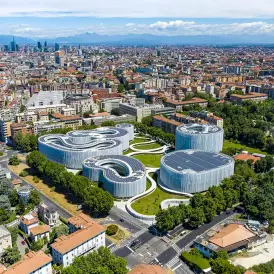
Explore Bocconi's visionary 2026–2030 Strategic Plan, aimed at bolstering executive leadership, management training, and global expansion.

HEC Paris unveils “Dare the Impossible,” a new brand signature highlighting innovation, leadership, and its vision for education in a rapidly changing world.
