
Eduniversal Best Masters Ranking 2026 in Netherlands
Discover Eduniversal Best Masters Ranking in Netherlands by specialization
Discover in detail the Master in Netherlands
Explore the shifting landscape of master’s education in the Netherlands in 2026, where academic excellence meets dynamic labor market demands. This comprehensive guide unveils emerging trends, persistent challenges, and untapped opportunities in Dutch postgraduate degrees.
Master’s Programs Driving a Future-Ready Workforce
Master’s degrees in the Netherlands play a pivotal role in preparing a highly skilled, adaptable workforce, aligning higher education with a transforming labor market.
With economic resilience dependent on advanced qualifications, Dutch master's programs contribute significantly to futureproofing careers.
Subjects with strong industry relevance — technology, sustainability, logistics, and data science — are at the heart of this transformation.
Growing sectors such as Sustainable Development and Logistics drive curriculum innovation and workforce demands.
Top Fields and Emerging Interdisciplinary Trends
The demand for hybrid expertise is reshaping program structures across the Netherlands. Interdisciplinary degrees that integrate areas like tech, health, and green finance are on the rise, offering students customized, cross-sectoral learning paths.
This shift prepares graduates for diverse roles in rapidly evolving industries.
Relevant programs include hybrid fields such as Health Economics and Data Analytics, where cross-functional knowledge is key to solving complex global challenges.
Flexibility Through Digital and Hybrid Learning Models
Reflecting global education innovation, Dutch universities have embraced online and hybrid delivery methods. Students can now participate in flexible formats combining on-campus instruction with engaging digital learning environments.
This shift enhances access for international learners and professionals balancing work with studies.
These models are especially beneficial in disciplines like E-Business and Digital Marketing and Information Systems Management, where digital tools are central to the curriculum.
Netherlands as a Premier International Study Destination
The Netherlands continues to attract a diverse student population from around the globe, with international students comprising over 17% of tertiary enrollments. English-taught programs, especially at the master’s level, ensure global accessibility and increase graduate mobility worldwide.
Many renowned programs, such as those in International Management and Financial Markets, cater specifically to the international academic community with globally recognized credentials.
Funding, Scholarships, and Tuition Fees
While tuition remains reasonable compared to other top destinations, affordability is still a barrier for many. EU/EEA students typically pay about €1,700 annually, but non-EU students may face fees of up to €20,000 based on their program.
Funding support and scholarships are essential mechanisms to enhance equity and access.
Several master’s domains, including MBA Part-Time or professional tracks, present higher tuition but offer strong return on investment and career prospects.
Changing Student Demographics and Expectations
Modern students seek educational experiences that are not only academically rigorous but also career-oriented and future-focused.
There’s growing interest in industry-relevant, flexible, and innovative master’s programs—trends that Dutch institutions are actively adapting to.
This shift aligns with the expanding appeal of specialized offerings like Entrepreneurship and Innovation and Design Thinking, which cater to ambitious, career-driven students.
Addressing Current Challenges in Dutch Master’s Education
Affordability, relevance, and maintaining quality standards amidst innovation are key issues. Universities are under pressure to ensure that rapidly changing workforce needs are met through targeted partnerships with employers and updated curricula.
This is particularly crucial in areas like Corporate Finance and Industrial and Operations Management, where real-world readiness and alignment with industry trends are vital.
Opportunities and Innovations Ahead
Looking to 2026, Dutch master’s education has the chance to lead in experiential and competency-based learning.
Expanding hybrid models, institutional reforms, and strong university-industry alliances will be instrumental in preparing students for a digital, interconnected world.
Fields like Leadership and Consulting and Strategy highlight how programs can emphasize project-based approaches and real-life applications to boost employability and innovation readiness.
Latest news

Discover which business schools let you study in 3 different countries within a single degree. Compare ESCP, Skema, EM Normandie, and EDHEC on campus access, costs, and degree recognition.
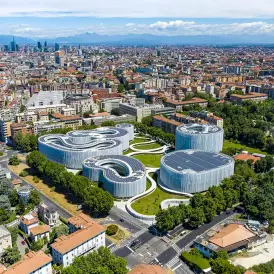
Explore Bocconi's visionary 2026–2030 Strategic Plan, aimed at bolstering executive leadership, management training, and global expansion.

HEC Paris unveils “Dare the Impossible,” a new brand signature highlighting innovation, leadership, and its vision for education in a rapidly changing world.
