
Eduniversal Best Masters 2026 in Information Systems Management in Spain
Rankings updated annually. Next full edition: September 2026.
Discover how Spain’s Master’s in Information Systems Management (ISM) programs are positioning themselves at the forefront of digital transformation. This article explores current growth trends, curriculum innovations, student demographics, and labor market alignment shaping ISM education in Spain through 2026 and beyond.
Discover the Eduniversal Best Masters for Information Systems Management

Spain
Spain
Spain
Spain
Discover in detail the Master in Information Systems Management in Spain
Summary: This article delves into the evolution of Master’s in Information Systems Management (ISM) in Spain. You'll explore how digital strategies, international student trends, and labor market requirements are influencing educational offerings. Key sections include market size, program trends, skill alignment, quality assurance, funding, and future outlooks.
Market Growth and Strategic Context in Spain
By 2026, Master’s programs in Information Systems Management (ISM) in Spain are witnessing significant expansion. Driven by national digitalization agendas such as Digital Spain 2026, the sector benefits from a €12.25 billion plan emphasizing digital skills for 80% of the population and fostering 20,000 new experts in areas like AI and cybersecurity.
This transformation aligns with the growing demand from both domestic and international management students.
Spain’s improved reputation as a tech innovation hub enhances attraction rates, particularly among mid-career professionals and women responding to inclusion initiatives.
Supporting factors behind ISM’s growth also include:
- Spain’s economic push toward digital SMEs.
- Compliance with European Union regulations, like the NIS2 cybersecurity directive.
- Acute shortages of specialists in AI, cybersecurity, and cloud infrastructure.
- Commitment to ESG and green IT as sustainability integrates into the curriculum.
- EU-wide policies encouraging talent mobility and visa access for STEM graduates.
Spain’s growing ISM market complements developments in areas such as cybersecurity and data analytics, both known for dynamic enrollment and job prospects.
ISM Curriculum Evolution and Modes of Delivery
To meet evolving industry needs, ISM master’s curricula across Spain are becoming more interdisciplinary and pragmatic. Key subjects now include ethical AI, cloud strategies, digital governance, and sustainable IT practices.
Courses teach not only hard skills, but strategic management and leadership in tech contexts.
Capstone experiences, internships, and university-industry collaboration are core, allowing students to apply theoretical knowledge in enterprise scenarios. Additionally, the curriculum supports lifelong learning via modular instruction and micro-credentials.
Delivery formats are diversifying:
- On-campus programs still have strong appeal.
- Hybrid models support those seeking flexibility.
- Fully online programs, increasingly prominent, target international and employed professionals.
Dual-language options (Spanish/English) further broaden accessibility and global reach.
Innovations in course delivery also mirror advances in digital marketing and Big Data, combining tech proficiency with strategic insight.
Key Skills and Career Opportunities in ISM
Employers are increasingly targeting graduates with unique combinations of expertise. The most sought-after technical competencies include:
- Python programming.
- Platforms such as AWS and Microsoft Azure.
- Cybersecurity frameworks and data protection laws.
- Business intelligence and machine learning.
In parallel, strong demand exists for cross-functional skills in leadership, innovation, and ethical management. Career pathways commonly include IT consultancy, data architecture, AI governance, and managerial roles in digital transformation.
These trends resonate with career-focused fields such as leadership programs and business intelligence.
ISM graduates in Spain generally attain competitive salaries comparable with EU averages. Boosting employability further, many institutions incorporate apprenticeships and streamlined entry pathways to the labor force.
Quality Standards and Global Recognition
Spain ensures academic quality through a robust national monitoring framework tied to the European Higher Education Area (EHEA). The updated referencing of Spain's qualifications within the European Qualifications Framework (EQF) enhances recognition of Spanish degrees across borders.
Frequent collaboration between universities and government bodies ensures that ISM program content evolves in sync with global technology standards.
This is crucial as developments emerge in neuroleadership and cognitive management models tied to AI-first enterprises.
Moreover, policy shifts support visa facilitation and extended work permits to foster integration of international STEM graduates into the Spanish workforce.
Cost, Accessibility, and Funding Structures
Compared to other Western European countries, Spain’s ISM tuition fees are favorable. Public universities often receive substantial subsidies for EU citizens, and merit-based scholarships remain available in key institutions.
Professional upskilling via employer funding is also expanding under national strategic plans such as the FP Digital Plan. However, cost remains a hurdle for some, particularly non-EU students, despite long-term ROI showing strong potential in terms of career progression and compensation.
Comparable trends in quality management education indicate that affordability continues to play a crucial role in program choice across disciplines.
Competitive Landscape and Internationalization Trends
Spain remains in close inbound competition with other Western European countries for international ISM students. Yet it stands out owing to its climate, affordable living, and growing educational quality. English-taught programs are especially attractive to students from Latin America, Asia, and Africa.
Outbound Spanish students actively participate in Erasmus partnerships and seek dual degrees—especially in AI, data science, and digital operations within tech-driven business sectors.
EdTech platforms and private-public alliances help Spanish institutions broaden delivery options and access through hybrid learning programs.
Other domains seeing similar cross-border traction include international business and entrepreneurship where tech innovation also plays a decisive role.
Challenges and Strategic Risks
Despite its strong outlook, Spain’s ISM sector faces critical challenges:
- Affordability gaps for low-income and non-EU students.
- Faculty recruitment struggles hinder rapid innovation in curricula.
- Software and infrastructure limitations, especially in AI labs and cybersecurity platforms.
- Ensuring universal access to digital skills education regardless of region or background.
Institutions that bridge these gaps while keeping pace with the velocity of technological change will maintain long-term relevance and attractiveness in the global academic landscape.
Future Outlook: 2026–2028 and Beyond
The mid-term projection for ISM master’s programs in Spain is one of continued expansion. Digital transformation, sustained public and private investment, and burgeoning international partnerships fuel this trajectory.
Trends spotlight the rise of themes like AI startups, cognitive computing, and adaptive leadership in management education.
Universities aiming to lead the ISM space must consistently innovate in program design, diversify access modes, and work closely with tech industries and EdTech ecosystems.
Latest news

Discover which business schools let you study in 3 different countries within a single degree. Compare ESCP, Skema, EM Normandie, and EDHEC on campus access, costs, and degree recognition.
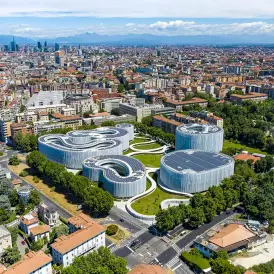
Explore Bocconi's visionary 2026–2030 Strategic Plan, aimed at bolstering executive leadership, management training, and global expansion.

HEC Paris unveils “Dare the Impossible,” a new brand signature highlighting innovation, leadership, and its vision for education in a rapidly changing world.
