
Eduniversal Best Masters 2026 in Innovation and Project Management in Spain
Rankings updated annually. Next full edition: September 2026.
Discover the state of Spain’s Master’s programs in Innovation and Project Management in 2026. This in-depth guide explores market size, program trends, skill demand, employability, and international competitiveness. Learn how these programs align with evolving labor market needs and technological innovation.
Discover the Eduniversal Best Masters for Innovation and Project Management

Spain
Spain
Spain
Other programs ranked among master degrees Launching Awards
France
Discover in detail the Master in Innovation and Project Management in Spain
Overview of the Master’s Landscape in Innovation and Project Management in Spain (2026)
Spain's graduate education landscape in Innovation and Project Management is witnessing impressive momentum in 2026. With over 12,000 students enrolling annually, the sector has seen a remarkable 20–25% growth over the last three years, driven by digitalization, sustainability, and industry transformation.
Domestic enrollees represent 65% of the student body, while international interest—especially from Latin America, Europe, and North Africa—is surging.
Mid-career professionals now constitute around 40% of the total, reflecting a growing pursuit of upskilling opportunities required by the evolving labor market.
This growth coincides with strategic initiatives such as the Digital Spain 2026 strategy and EU-wide ESG frameworks that are transforming educational priorities.
Additional segments like Human Resources Management and General Management in Spain are also witnessing relevance shifts due to the same driving factors.
Emerging Specializations and Curriculum Innovations
In 2026, the strongest Master’s programs blend innovation, digital transformation, and agile project leadership into a cohesive framework. Popular specializations include:
- Digital Innovation Management
- Sustainable Project Leadership
- AI-driven Project Analytics
- Agile & Hybrid Methodologies
- Innovation Ecosystem Consulting
The curriculum structure is becoming more interdisciplinary, often incorporating real-world case studies, capstone projects, and collaborative industry research.
Experiential learning formats are now standard practice, enabling hands-on experience through internships and consultancies.
Micro-credentials offer stackable learning options across AI, data analytics, or ESG, allowing students to tailor programs for specific career pivots. These approaches are mirrored in sectors such as Data Analytics and Sustainable Development, where specialization is also key.
Flexible delivery mechanisms, ranging from on-campus to hybrid and modular pathways, serve a wide variety of learners—from recent graduates to working professionals.
Skill Requirements and Career Prospects
Employers now demand a fusion of technical proficiency and cross-disciplinary competencies. In technical skillsets, top demand areas include:
- Agile and hybrid project methodologies
- Digital transformation strategy
- AI and advanced data analytics tools
- ESG and sustainability frameworks
Essential transversal skills involve leadership, strategic thinking, and effective cross-cultural collaboration. These evolving skill profiles reflect broader trends seen in Creativity and Design Thinking domains as well.
Graduates commonly pursue careers in project management, innovation consulting, product development, change leadership, and Agile facilitation.
High-demand industries include technology, consulting, sustainable energy, and advanced manufacturing. Fresh graduates typically see salary brackets ranging from €35,000 to €50,000, with notable elevations in Madrid and Barcelona. Internships and professional placements are now frequently embedded into master’s programs, enriching employability.
Regulation, Accreditation, and Global Recognition
Spain’s quality assurance system for higher education is governed by ANECA, which handles national accreditation. Leading institutions additionally pursue international distinctions such as EQUIS and AACSB to bolster their global reputation.
Thanks to the Bologna Process, credit portability and academic mobility are seamless across the European Higher Education Area (EHEA). Spain's favorable visa and post-study work policies further enhance its appeal for international candidates.
Relevant sectors such as International Business Law are also benefiting from this academic interoperability, boosting cross-border academic and employment outcomes.
Cost Structures, Funding Options and ROI
The cost of enrolling in a Master’s in Innovation and Project Management in Spain typically ranges from €8,000 at public universities to €20,000 in private institutions. Although public universities offer affordability, private schools attract international candidates with advanced infrastructure and global partnerships.
While scholarships exist, they are highly competitive. A growing proportion of students—especially mid-career professionals—are leveraging employer sponsorships to access education.
Return on Investment tends to be positive due to high placement rates and strong salary growth. However, affordability remains a bottleneck for non-sponsored or self-funded students.
Specializations like Entrepreneurship and Executive MBA programs offer alternative funding pathways and often rely heavily on corporate sponsorships or hybrid financial models.
Market Dynamics and Internationalization Trends
Domestic competition within Spain is intensifying, with a growing number of both public and private institutions offering similarly structured programs. Moreover, Spanish programs are increasingly attractive to global talent due to lower costs compared to the US or the UK.
Outbound mobility remains steady, while cross-border offerings—like dual degrees and joint ventures with Latin American and European institutions—are on the rise. Digital platforms and EdTech partnerships are also reshaping the delivery of higher education.
Educational formats inspired by trends in Information Systems Management and remote learning reflect the market's pivot to flexible, scalable study experiences.
Challenges Facing the Sector
Despite robust growth, the sector faces key risks. Cost of access remains a major challenge for prospective students lacking financial support. Talent recruitment—especially in AI, Agile, and ESG-related fields—is another pressing issue, with institutions struggling to fill academic posts.
Investment is also needed in maintaining cutting-edge R&D and sustainability labs. Not all universities are equally prepared for rapid tech adoption, creating disparities across regions and program quality levels.
More critically, maintaining labor-market alignment is essential. Programs must stay agile and customizable to address fast-evolving trends in areas like AI and environmental innovation as mirrored in Innovation and Project Management rankings.
Forward Outlook: 2026–2028
Projections indicate continued growth, with the Master’s in Innovation and Project Management sector projected to hit €941 million in value by the end of 2026. Upside potential includes expanding demand fueled by emerging policy mandates in sustainability and digital innovation.
Watch for future regulatory shifts, such as new digital frameworks, enhancements in EU mobility policies, or increases in public funding for innovation education. Innovation frontiers forecasted to scale include:
- AI-powered project ecosystems
- Sustainable and circular innovation models
- Global and cross-cultural leadership
These forecasts suggest shifts parallel to those happening in domains like Energy and Natural Resources, making adaptability essential for graduate programs.
Latest news

Discover which business schools let you study in 3 different countries within a single degree. Compare ESCP, Skema, EM Normandie, and EDHEC on campus access, costs, and degree recognition.
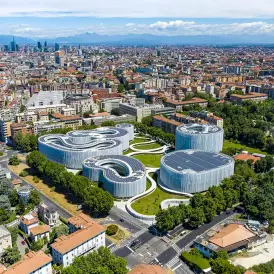
Explore Bocconi's visionary 2026–2030 Strategic Plan, aimed at bolstering executive leadership, management training, and global expansion.

HEC Paris unveils “Dare the Impossible,” a new brand signature highlighting innovation, leadership, and its vision for education in a rapidly changing world.
