
Eduniversal Best Masters 2026 in Marketing in Poland
Rankings updated annually. Next full edition: March 2027.
In this article, we explore the current landscape and future outlook of Master's programs in Marketing across Poland. We analyze market dynamics, curriculum trends, and skill demands, and assess challenges and opportunities up to 2028. The guide also presents how Polish institutions align with global education standards while linking internal resources to facilitate further exploration.
Discover the Eduniversal Best Masters for Marketing

Poland
Poland
Other programs ranked among master degrees Innovation Awards
Qatar
Discover in detail the Master in Marketing in Poland
In this comprehensive analysis, we delve into the Polish market for Master's programs in Marketing. You'll discover data-backed observations on enrollment trends, curriculum innovations, student mobility, competitiveness, regulatory context, and emerging skill demands. This guide is tailored for both prospective students and higher education professionals aiming to understand the future of marketing education in Poland through 2028.
Current Landscape of Master's Marketing Programs in Poland
Poland presents a diverse array of marketing master’s programs across leading business schools and universities. While the Marketing rankings highlight Kozminski University as a top institution, others offer specializations ranging from digital marketing and e-commerce to sector-specific focuses like e-business.
Most programs combine business theory with case-based learning, preparing graduates with practical knowledge for international markets. Yet, current listings do not reflect major analytical studies or data reviews from the past month.
Market Size and Enrollment Trends
The Polish higher education system has seen steady growth in graduate enrolment, especially in English-taught marketing programs. This is attributed to the influx of international students, EU-wide recognition of Polish degrees, and affordable tuition. However, detailed, recent statistical data from ministries or national research institutes is lacking.
Poland’s competitive education fees and cost of living provide attractive options compared to Western countries. Additionally, the growing prominence of entrepreneurship and startups supports the appeal of marketing programs that offer real business exposure.
Key Macro Drivers of Marketing Education Growth
Several macro factors drive demand for marketing knowledge in Poland:
- Increasing digitization across sectors
- Growth in regional and global trade
- EU-funded innovation programs and business accelerators
Programs increasingly embed modules on data analytics, sustainability, and omni-channel consumer behavior to remain regionally and globally relevant.
Poland’s marketing graduates are also looking to bridge business strategy and product development, similar to fields like Innovation & Project Management.
Curriculum Trends and Skills Development
Marketing programs in Poland have evolved to reflect international trends:
- Heavy emphasis on digital-first strategies and online marketing
- Inclusion of media analytics, UX, and AI-driven automation
- Soft skill training in leadership and communication
As competition intensifies, programs appeal to aspiring executives with cross-skilled offerings, often overlapping with General Management.
Quality, Access, and Regulation
Polish institutions align curricula under the European Credit Transfer and Accumulation System (ECTS), ensuring comparability across the EU. Accreditation processes are supervised by bodies such as PKA (Polish Accreditation Committee) and international agencies. Yet, access to more recent metrics and quality scores would enhance transparency.
There is room to improve access to these programs for underrepresented groups and boost funding for research-driven graduate education. Comparable trends can be observed in programs like Public Administration / Management.
Competitive Dynamics and International Standing
The competitive edge of Polish marketing programs lies in affordable pricing, English-language instruction, and proximity to Western markets. However, the lack of in-depth, recent analysis dampens visibility on strengths or innovation gaps.
Many institutions are pushing for improved global visibility by joining Best-Masters rankings. Those focusing on specialized niches like Luxury Management or digital innovation attract globally mobile students.
Challenges and Outlook to 2028
The main constraints include:
- Lack of robust market data post-pandemic
- Unclear labor market projections for digital vs. traditional marketing roles
- Disconnect between academic offering and tech-driven marketing jobs
Going forward, institutions that integrate business intelligence strategy and AI-based marketing applications into programs will stand out. Opportunities also exist in aligning more Polish institutions with global accreditation standards.
Latest news

Discover which business schools let you study in 3 different countries within a single degree. Compare ESCP, Skema, EM Normandie, and EDHEC on campus access, costs, and degree recognition.
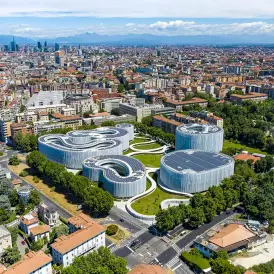
Explore Bocconi's visionary 2026–2030 Strategic Plan, aimed at bolstering executive leadership, management training, and global expansion.

HEC Paris unveils “Dare the Impossible,” a new brand signature highlighting innovation, leadership, and its vision for education in a rapidly changing world.
