Eduniversal Best Masters 2026 in E-Business and Digital Marketing in Germany
Rankings updated annually. Next full edition: September 2026.
Germany's Master's programs in E-Business and Digital Marketing are thriving in 2026, reflecting a boom in digital transformation, job demand, and AI integration. This article explores current trends, curricula, employability, challenges, costs, and future outlook to guide prospective students and decision-makers.
Discover the Eduniversal Best Masters for E-Business and Digital Marketing

Germany
Germany
Germany
Germany
Germany
Discover in detail the Master in E-Business and Digital Marketing in Germany
Overview: Master’s in E-Business and Digital Marketing in Germany (2026)
Germany has emerged as a digital powerhouse in Europe, making it a prime destination for specialized graduate education in digital domains. This detailed overview covers the current state of Master's programs in E-Business and Digital Marketing, including industry context, demand trends, employability, challenges, and forward-looking insights.
Market Context and Growth of Digital Sectors
As of 2019, Germany’s e-commerce market ranked as the fifth largest globally, amassing over $108 billion in revenue. By 2024, digital marketing alone reached approximately €7.4 billion in market size, maintaining an impressive annual growth rate of 10.8%. Employment opportunities mirror this trend, with approximately 267,821 direct jobs recorded in 2024.
Driving this expansion is the country's nearly universal internet usage—97.5% penetration—and extensive smartphone adoption. The digital education sector in Western Europe, including Germany, is forecasted to soar at a CAGR of 10.44%, aiming for nearly $230 billion by 2033.
International student mobility is on the rise, especially in high-demand areas such as E-Business and Digital Marketing. Some of the top programs report that foreign students constitute more than 40% of enrollments.
This aligns with Germany’s broader trend of growth across other strategic fields like Supply Chain and Logistics and International Management that reflect globalized learning and professional environments.
Curriculum and Program Delivery Trends (2026)
German Master's curricula in Digital Marketing and E-Business are evolving rapidly to meet business and technological shifts. Core academic areas receiving heightened employer interest and curricular focus include:
- SEO/SEM and content marketing strategy
- Influencer marketing and social media growth (notably +30% in popularity)
- Data analysis and AI-based personalization
- UX/UI design in e-commerce operations
To prepare students for multifaceted tech-driven careers, programs often blend marketing with IT, sustainability, and data science. Experiential learning is prioritized, with internships, live projects, and capstones forming an essential bridge between classroom knowledge and real-world application.
The emergence of big data and analytics-specific programs helps meet the skill demand for roles in customer journey analytics and automation. Meanwhile, micro-credentials and modular programs allow continuous upskilling.
Flexible learning modes include in-person, hybrid, and fully online pathways, making studies accessible for working professionals and international candidates. Stackable degrees and certification options are increasingly popular, supporting long-term career planning.
High-Demand Skills and Employment Prospects
Professionals emerging from E-Business and Digital Marketing tracks are equipped with both technical and strategic skill sets. The most in-demand competencies include:
- Technical skills: SEO optimization, Google Ads, conversion funnels, data visualization tools like Tableau, CRM automation, and marketing analytics.
- Transversal skills: Project leadership, strategic communication, collaboration, and entrepreneurial thinking.
Typical graduate roles include:
- Digital Marketing Manager
- E-commerce Project Leader
- Social Media Strategist
- SEO/SEM Specialist
Graduates are absorbed into sectors such as retail, technology, hospitality, and manufacturing. Programs emphasizing internships and apprenticeships provide a direct benefit in employment transitions. There's also a visible correlation between career outcomes in digital marketing and graduates from programs in related specializations like Marketing and Entrepreneurship.
Financially, the field remains attractive with entry-level salaries at €41,700 annually, while mid-level roles easily extend between €48,000 and €75,000 based on skill depth and industry demand.
Academic Quality, Accreditation, and Regulations
Germany's Master’s programs are held to robust quality assurance under national and Bologna-compliant guidelines. This ensures straightforward credit transfer and qualification recognition across Europe, directly supporting international student mobility and dual-degree options.
Data privacy and regulatory compliance constitute a significant part of the training curriculum, especially in light of GDPR and rising concerns surrounding AI and ethical marketing. This focus intersects closely with faculties seen in disciplines like Digital Law and New Technology Law.
Post-study work permits make Germany an attractive destination for international graduates, especially those in high-skill, low-supply fields such as IT and digital transformation.
Cost, Access, and Financial Aid Opportunities
When compared to other Western European countries, Germany offers relatively affordable tuition; public universities often charge minimal or no fees. Private institutions do carry higher costs, but they frequently offer greater flexibility or niche specialties.
Scholarships from organizations like DAAD and employer-sponsored funding options ease financial strain, especially for international students. The overall return on investment remains high, thanks to the job market stability and salaries in digital functions. Those looking into the economics of education may also explore electives or dual-degrees in Economics.
Rising Competition and Global Ecosystem
Domestic schools face growing competition from global applicants drawn to the country's digital infrastructure and career outcomes. Meanwhile, German students are seeking international opportunities through exchange programs, dual degrees, or remote cross-border study options.
Blended formats supported by EdTech platforms and strategic academic partnerships are becoming common. These are ranked alongside counterparts in global E-Business and Digital Marketing programs, contributing to market competitiveness and cross-border visibility.
Challenges and Sector-Specific Risks
Despite strong momentum, several points of concern remain:
- Affordability of private schools may hinder access for some student groups
- Faculty shortages due to rising demand outpacing academic recruitment
- Tech adoption gaps—campuses must invest continually in digital infrastructure
- AI ethics and sustainability are becoming baseline expectations in marketing roles
Ongoing refinement in curricula is needed to match skills to market demands, especially with faster integration of AI and sustainability themes. There’s opportunity to grow into sustainability-driven digital practices, particularly when connected to programs in Sustainable Development and Environmental Management.
Future Outlook: 2026 to 2028
Looking ahead, the E-Business and Digital Marketing education space in Germany is poised for robust growth. Forecasts suggest digital job roles could rise by 10–15% annually. Growth areas include:
- Personalized AI marketing
- Real-time data and analytics
- AR/VR-enhanced user experiences
- Micro-credential and nano-degree expansion
Key policy elements to monitor include shifts in education funding, skilled worker visa policies, and EU-wide data privacy updates—all of which will continue to shape curriculum design and program accessibility.
Latest news

Discover which business schools let you study in 3 different countries within a single degree. Compare ESCP, Skema, EM Normandie, and EDHEC on campus access, costs, and degree recognition.

Explore Bocconi's visionary 2026–2030 Strategic Plan, aimed at bolstering executive leadership, management training, and global expansion.
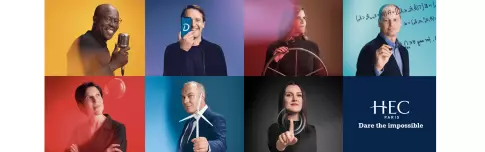
HEC Paris unveils “Dare the Impossible,” a new brand signature highlighting innovation, leadership, and its vision for education in a rapidly changing world.
