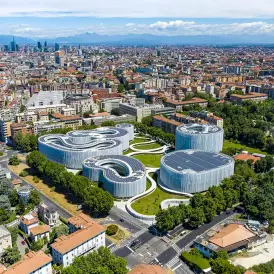

Portugal’s Master’s in Economics programs are gaining momentum in 2026, fueled by growing demand for advanced analytical skills, international student participation, and dynamic curriculum innovations. From data science integration to sustainability focus, the economics education landscape in Portugal offers promising returns for students and aligns with evolving job market needs.
Market Overview and Student Demographics
Portugal is witnessing a steady increase in postgraduate education, with 43% of 25–34-year-olds having completed tertiary qualifications in 2024, up from 38% in 2019. Over 2,000 students annually enroll in Master’s in Economics programs, part of a broader market of more than 60,000 Master’s students across the country.
The popularity of economics stems from its relevance in career paths such as finance, public policy, and research. Economic instability and youth unemployment continue to drive young professionals toward advanced degrees for career competitiveness.
While Portuguese students remain the majority, international enrollment—especially from Brazil and other CPLP nations—is on the rise. In 2024, over 70,000 international students studied in Portugal, with 15–20% represented in economics programs.
Notably, the average age of new Master’s students is 24.6 years, among the youngest in OECD nations. Women account for 53% of total new entrants but are underrepresented in economics fields compared to other disciplines.
Macroeconomic and geopolitical factors—such as skill gaps, digitalization, sustainability, and global uncertainties—are further propelling interest in Economics education.
Related fields like Economics (worldwide rankings) and Business Intelligence and Strategy show how intertwined economics is with other pivotal specializations.
Curriculum Innovation and Educational Trends
The 2026 Master’s in Economics curriculum in Portugal is evolving to blend core economics with disruptive technologies and interdisciplinary learning. Core focus areas include advanced econometrics, data science applications, AI, behavioral economics, and sustainability-focused economics.
New niches gaining popularity include health economics, behavioral finance, and urban/regional economics. From policy learning to the digital economy, course content now responds to real-world complexities through interdisciplinary models incorporating fields such as data analytics and public administration.
AI and programming are standard aspects of today’s economics programs. Tools like Python, R, machine learning, and big data analysis are integrated directly into the syllabus, preparing students for versatile career paths in a digital-first economy.
Learning models are shifting:
- Capstone projects and internships are becoming prerequisites.
- Hybrid and fully online modes continue to grow, increasing access for working professionals.
- Micro-credentials and modular certificates in key areas offer lifelong learning flexibility.
Environmental consciousness is also factored into the curriculum, aligning with rising interest in green economy careers. This resonates with globally trending degrees in Sustainable Development and Environmental Management.
Graduate Skills and Career Outcomes
Employers of Master’s in Economics graduates in Portugal value hybrid skill sets that merge technical knowledge and soft skills. The most sought-after competencies include:
- Quantitative analysis: statistical software like Stata, R, and Python.
- Data visualization, policy evaluation, and economic modeling.
- Analytical thinking, cross-cultural communication, and adaptability.
Employability is strong. Between 60–70% of graduates find employment within six months post-graduation. Common recruitment sectors include finance, government, consulting, NGOs, and research.
Positions range from economic analysts and policy advisors to consultants and junior data scientists. Entry-level salaries typically range from €25,000 to €35,000 annually; senior roles can reach €60,000 and beyond.
Internships and capstones double as powerful career launchpads, often translating directly into job offers. Many of these programs intersect with fast-growing sectors such as Health Economics / Public Health and risk management.
Accreditation and International Recognition
Portugal’s Master’s in Economics programs are tightly regulated by the Ministry of Science, Technology and Higher Education. All programs must meet accreditation standards set by A3ES (Agency for Assessment and Accreditation of Higher Education).
This ensures consistent quality in curriculum, faculty expertise, and student services. Moreover, alignment with the Bologna Process facilitates European recognition, enabling seamless transitions for study or work across EU countries.
Portugal’s favorable post-study visa conditions—allowing international graduates to remain for up to 12 months to find work—enhance its attractiveness. These policies are particularly beneficial for students advancing to degrees like full-time MBAs or other interdisciplinary business specializations.
Tuition, Scholarships, and Funding Access
Tuition fees for Master’s in Economics degrees in Portugal depend on student nationality:
- Domestic/EU students: €1,500–€3,750 per academic year.
- Non-EU/International students: €5,000–€8,250 per year.
While costs are moderate compared to other Western European countries, scholarships help lighten the financial load. These include:
- Government funding for low-income backgrounds.
- Merit-based university scholarships.
- Employer-sponsored tuition support, common in public sector positions.
Return on Investment (ROI) is generally positive. Master’s graduates tend to earn 20–30% more than bachelor’s degree holders. University career centers and alumni networks further contribute to job placement.
Students exploring economics may also find value in related career-focused programs such as Accounting and Corporate Finance.
Competitiveness and Global Integration
Portuguese universities are intensifying domestic competition by offering diversified and high-quality Economics Master’s programs. At the same time, international student inflows—especially from CPLP, EU, and Latin American countries—are strengthening Portugal’s academic stature in the global marketplace.
Outbound student mobility remains stable, with the UK, Germany, and the U.S. as preferred destinations. However, cross-border cooperation is growing through dual-degree programs and institutional partnerships within Europe and North America.
Blended learning and EdTech-enhanced delivery are becoming more common. These tech-forward delivery models align with innovations happening in fields like Cybersecurity and Data Protection, fast becoming core topics in multidisciplinary economic education.
Key Challenges and Future Trends
Despite growth, structural challenges remain. Rising tuition is a concern, particularly for non-EU students. Retaining domestic talent is difficult, given the allure of international job markets and higher salaries elsewhere.
Research disparities persist, with only some institutions equipped to conduct high-impact, cutting-edge work. Moreover, the digital gap between rural and urban campuses still affects faculty training and technical infrastructure.
Education providers must stay ahead by continuously adapting their curricula to meet labor-market requirements. Programs with a focus on innovation and design thinking offer scalable models of responsive education.
Forecasts for 2026–2028 include:
- Ongoing enrollment growth and digital course delivery.
- New funding structures and policies aimed at international attraction.
- Expansion of micro-credentials and modular programs as part of lifelong learning strategies.
Thought leadership in AI, green economics, and behavioral science is expected to define the future of Portugal’s economics education landscape.